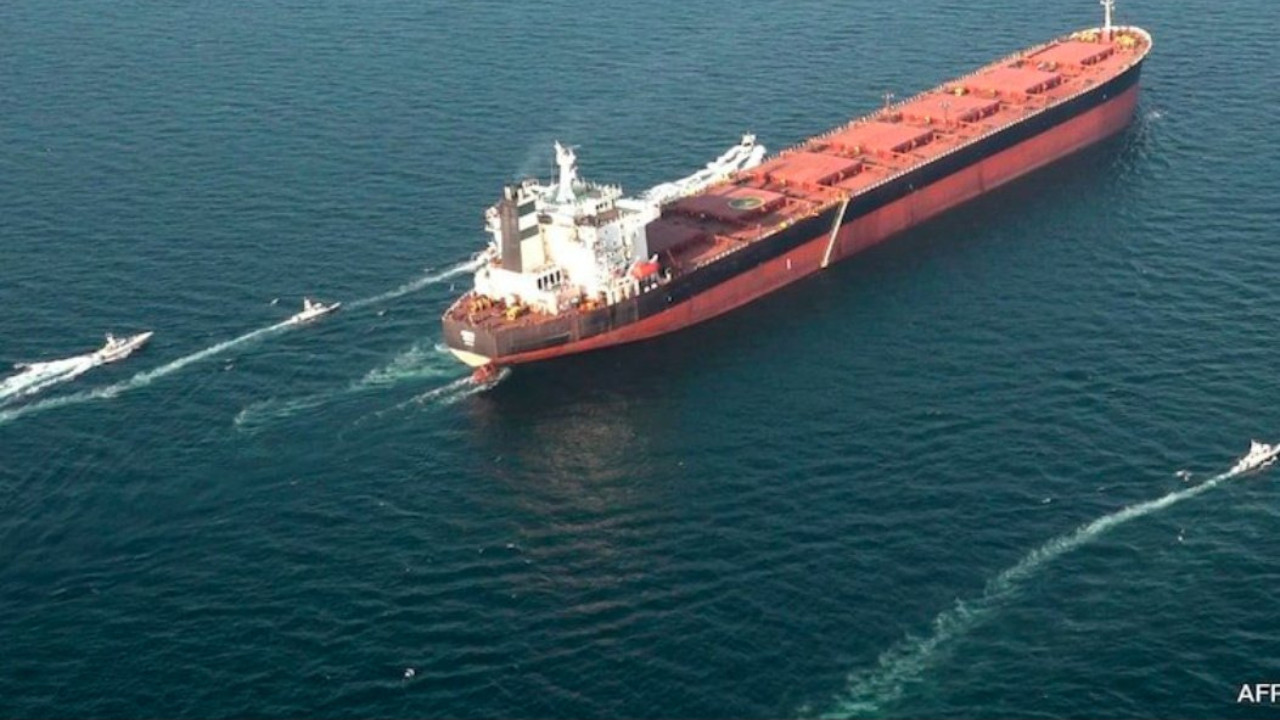
The ongoing conflict in West Asia—particularly the war involving Iran—is disrupting fuel supplies. (Image X @Goreunit)
New Delhi: The ongoing conflict in West Asia—particularly the war involving Iran—is disrupting fuel supplies, the movement of goods via sea routes, and food supplies, thereby raising growing concerns regarding the availability of medicines as well. While experts suggest that a major impact on the availability of common medicines is unlikely in the short to medium term, the risks could escalate over the long term.
What is Australia’s Plan?
Australia’s medicine supply system is designed to withstand short-term disruptions. Since July 2023, the government has mandated minimum stock levels for numerous medicines covered under the Pharmaceutical Benefits Scheme (PBS). Under this mandate, pharmaceutical companies are required to maintain a domestic stockpile equivalent to four to six months' supply. This provides regulatory agencies with crucial time to respond in the event of a potential shortage.
During such periods, Australia’s national medicines regulator—the Therapeutic Goods Administration (TGA)—can take necessary measures to maintain supply continuity. Medicine stockpiles are not concentrated in a single location but are instead distributed across various wholesalers and pharmacies, thereby ensuring their availability nationwide.
However, this safeguard does not extend to all medicines. Medicines that are not included in the PBS list—such as newly introduced drugs or those available only via private prescription—face a higher risk of shortages. These specific medicines typically involve lower stock levels and a limited number of suppliers.
Australia is already grappling with shortages of certain medicines. For instance, medications for Attention Deficit Hyperactivity Disorder (ADHD), as well as certain antibiotics and hormone therapy drugs, have been affected by a combination of global demand pressures and production bottlenecks.
A significant challenge regarding medicine supply is its inherent global dependency. More than 90 percent of the medicines consumed in Australia are sourced from overseas. The United States, Europe, India, and China serve as the primary sources for these supplies. Notably, India and China are key suppliers of raw materials, a factor that renders the global supply chain particularly vulnerable. According to experts, the medicine supply system functions like a "network" comprising numerous interconnected links. If one or more of these links—such as production, transportation, or raw material supply—are disrupted, the entire network can be adversely affected. War-related factors can trigger problems such as delays in the movement of goods via sea routes, disruptions in air transport, and a decline in production output.
Currently, existing stockpiles are deemed sufficient to manage the situation. However, if these disruptions persist for six months or longer, a widespread shortage of medicines could ensue—particularly for drugs with limited production volumes. In such a scenario, the TGA has emergency measures at its disposal, such as temporarily importing medicines from other countries or authorizing pharmacists to dispense alternative medications.
Experts have advised the public not to panic and to refrain from stockpiling medicines unnecessarily. They recommend keeping prescriptions up to date and consulting a doctor or pharmacist whenever necessary. Overall, the current medicine supply system remains stable; however, should global instability persist over an extended period, the challenges involved could escalate.





Copyright © 2026 Top Indian News